Each pile plays a critically important role in the stability of a building. If one or more piles are damaged, have insufficient length, or distribute the load unevenly, this can lead to settlement of the structure or even its failure.
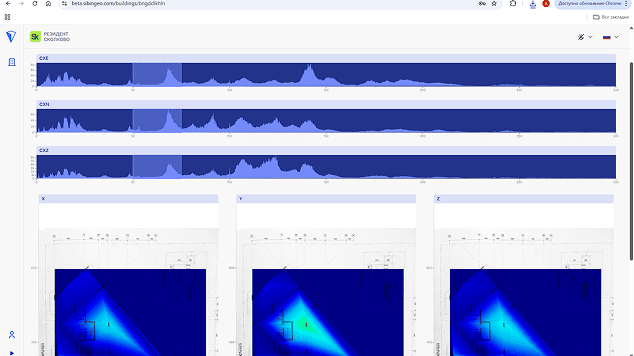
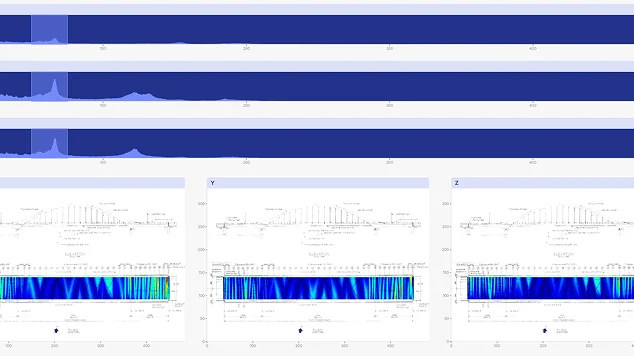
Without systematic monitoring, it is difficult to detect hidden defects in advance. Monitoring pile parameters allows risks to be identified early and helps extend the service life of the facility.
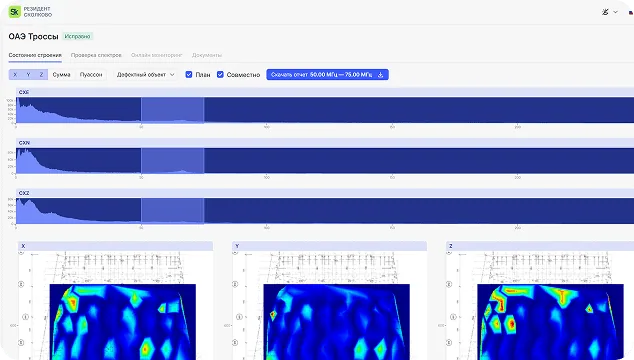
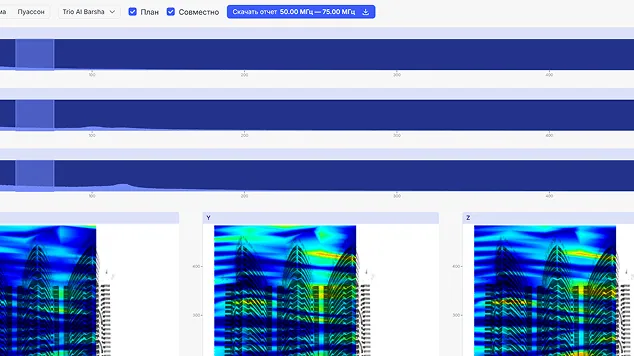
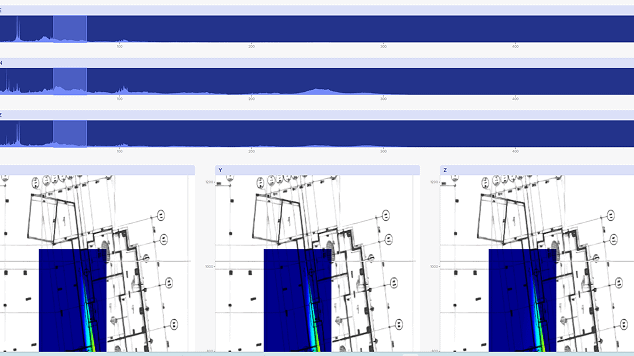
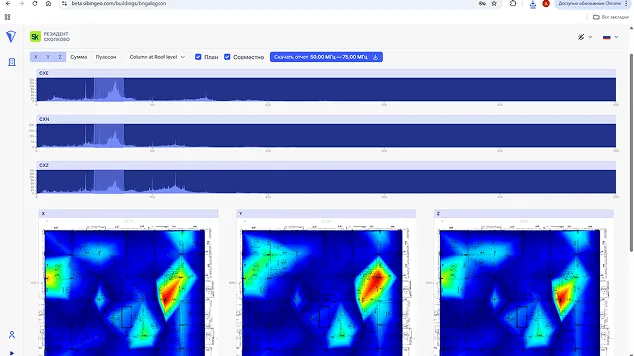
 Depressurization in Norilsk:
21,000 tons spilled into rivers
Depressurization in Norilsk:
21,000 tons spilled into rivers
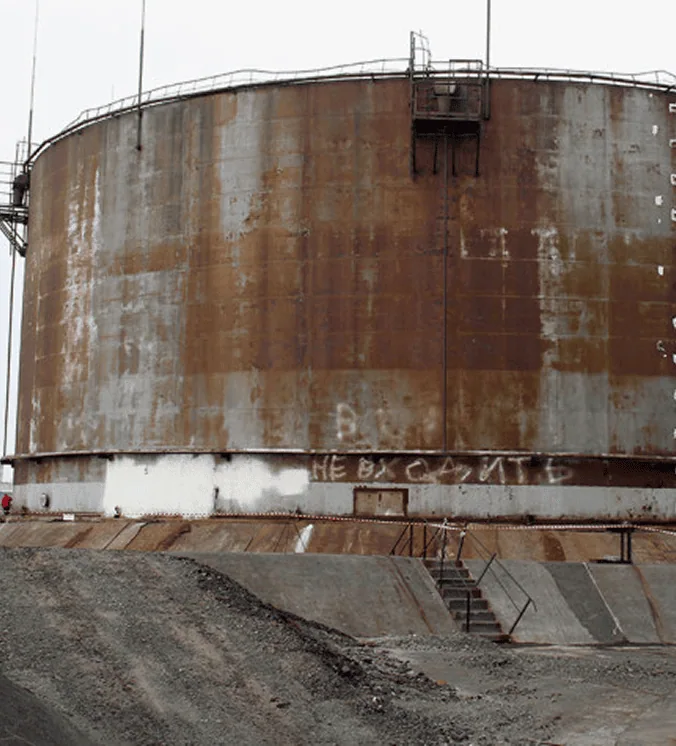
On May 29, 2020, a diesel fuel storage tank depressurized in Norilsk, resulting in a spill of around 21,000 tons of petroleum products. Part of the fuel entered nearby rivers, posing a threat to the ecosystem of the Arctic Ocean.
Causes of the collapse:
Settlement of the foundation and tank supports due to permafrost thawing, which led to the destruction of the reinforced concrete base and subsidence of up to 1.5 meters beneath the tank bottom. Some piles did not rest on bedrock, causing uneven load distribution.
Damage:
Russia’s environmental watchdog Rosprirodnadzor assessed the total damage at 148 billion rubles, including 147 billion rubles related to water bodies and 739 million rubles to soil contamination. More than 700 representatives of indigenous peoples were affected. Damage to fishing and hunting-based livelihoods was estimated at 154 million rubles.
Preventive measures:
Implementation of a monitoring system that enables early detection of negative trends and timely response.
This is not just statistics — these are lives, homes, and reputations. Timely monitoring is what separates catastrophe from safety.
Imagine this: instead of reacting to the consequences, you diagnose issues and reinforce the structure in advance.
 Tested on 300+ facilities worldwide
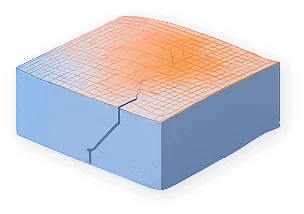

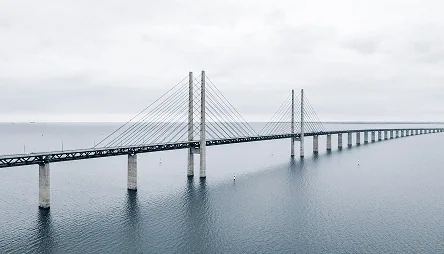
Infrastructure assets (buildings, bridges, tunnels, utility networks) are strategic assets
on which citizens’ lives, economic resilience, and social stability depend.
 How sensors change the rules of the game: capabilities for the public sector




We don’t drill into or cut through structures. Sensors are simply installed on the surface.
The building remains intact — the inspection is completely non-destructive.
We provide a comprehensive view of the condition of structures and soil. For northern regions, we even take permafrost factors into account.
Each measurement is verified by two different instruments — and, if necessary, by a third. This guarantees accuracy and eliminates errors.
Our method identifies stress and hidden risk zones before they turn into cracks and deformations.
Traditional inspections notice changes only after the building has already started to deteriorate. This leads to costly repairs, emergency measures, and risks to people.
